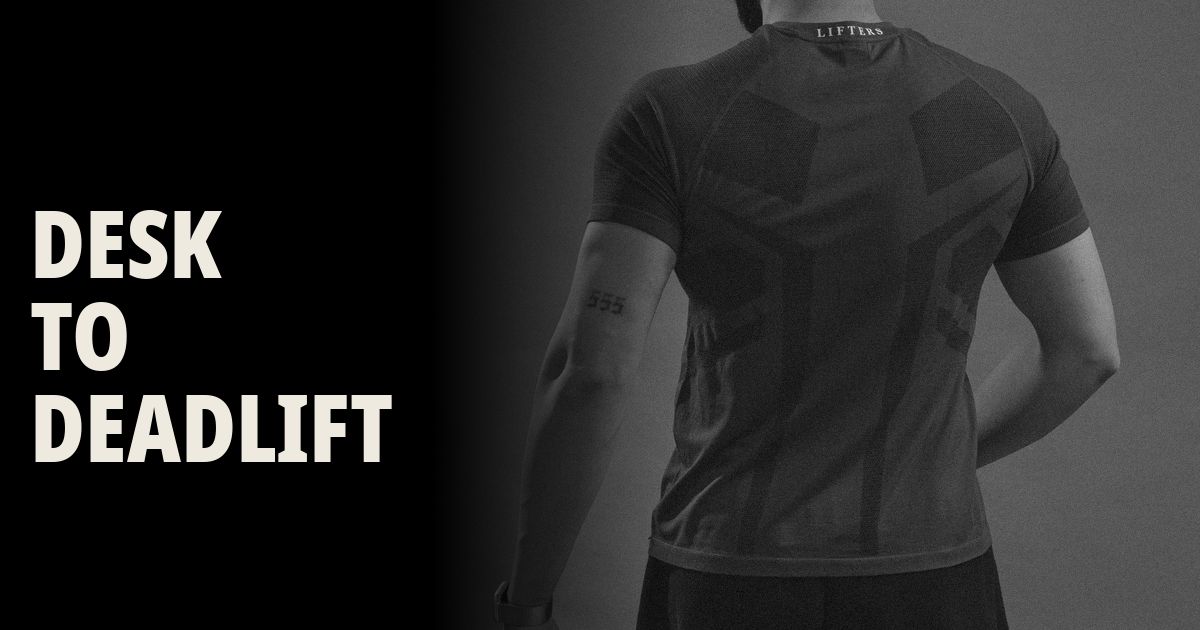
What Is a Compression T-Shirt? And Why Every Serious Lifter Owns One
Walk into any serious gym in India and you'll spot them. The guy on the squat rack. The one grinding through the last set of pull-ups. The runner clocking his 10K before the sun gets brutal. They're all wearing the same thing: a compression t-shirt. It isn't a trend. It's equipment. And once you understand what it's actually doing, you'll stop thinking of it as "the tight t-shirt" and start thinking of it as part of your training setup.
What Is a Compression T-Shirt?
A compression t-shirt is a close-fitting athletic top engineered to apply light, even pressure across your torso, shoulders and arms. The difference between this and a slim-fit cotton tee is the fabric. A proper compression tee is built from a high-stretch technical blend — usually polyester with a meaningful percentage of spandex — knitted at a specific tension so it holds its shape against your body through every rep, every stride, every wash. That's the whole idea: it moves with you instead of hanging off you. At Lifters, our compression range is built for one thing — training that actually gets logged. Real sets. Real sweat. Real Indian gym floors in May.The Five Things a Compression T-Shirt Actually Does
1. It reduces muscle oscillation
Every time your foot hits the ground or the bar comes down, soft tissue vibrates. Over a long session, that repeated micro-movement adds to overall fatigue. Compression fabric dampens it. The snug fit holds muscle groups steadier through impact and load, which is why you'll see compression on sprinters, footballers and anyone doing high-volume plyometric work. You won't feel it as "support" in an obvious way. You'll feel it at the end of the session, when you've got a little more left.2. It supports circulation
Graduated pressure encourages blood flow back toward the heart. Better return means better oxygen delivery to working muscle and faster clearing of metabolic waste. Worth being straight with you here: the research on compression improving performance is mixed — most studies show modest or inconsistent gains in raw output. Where the evidence is stronger is recovery and perceived exertion . Athletes wearing compression consistently report less soreness in the 24–48 hours after training. For anyone training five or six days a week, that's the metric that matters. Performance is downstream of how well you recover.3. It handles sweat properly
This is the one that matters most in Indian conditions. A cotton t-shirt absorbs sweat and holds it. Twenty minutes into a session it's heavy, clinging in the wrong places, and doing nothing to cool you down. Train in Chennai or Mumbai in April and you know exactly what that feels like. A compression tee is engineered to move moisture outward . Sweat is pulled off the skin, spread across the surface of the fabric and evaporated. You stay dry, you stay cooler, and you don't finish your session carrying half a litre of water on your back.4. It gives you full range of motion
4-way stretch means the fabric extends both horizontally and vertically, then returns to shape. Deep squat. Overhead press. Full extension on a snatch. Sprint stride. A good compression t-shirt goes where you go and doesn't ride up, bunch or restrict a single degree of movement. Cheap compression fails here. It stretches once and stays stretched. That's the difference fabric quality makes.5. It reduces friction
Second-skin fit means no loose fabric rubbing against skin. No chafing on long runs, no irritation under a weight vest, no fabric catching on the bar during cleans. Small thing. Until it isn't.The Part Nobody Talks About: Confidence
Thre's a mental side to this that's easy to dismiss but shouldn't be. Compression apparel shows the work. It sits close, it holds shape, and it reflects back the physique you've been building. Most lifters train harder when they feel like they look the part. That's not vanity. That's psychology, and it's real. You show up differently when your gear makes you feel capable.
Compression T-Shirt vs Regular Gym T-Shirt
| Compression T-Shirt | Regular Gym Tee | |
| Fit | Close, supportive, holds shape | Loose, unstructured |
| Muscle support | Dampens vibration under load | None |
| Sweat management | Wicks and evaporates | Absorbs and holds |
| Stretch | 4-way, full recovery | Limited, stretches out over time |
| Layering | Sits flat under any top | Bunches |
| Best for | Training, running, sport, recovery | Rest days, casual wear |
How to Choose the Right Compression T-Shirt
Get the size right. This is the single most common mistake. Sizing up defeats the entire purpose — a loose compression tee is just an uncomfortable regular tee. It should feel snug and secure, never restrictive. If it limits your breathing or leaves marks after ten minutes, it's too small. If there's slack anywhere, it's too big. Check the blend. Look for a polyester-spandex construction with enough elastane to give genuine recovery. Too little and it'll go baggy after a month of washes. Look at the seams. Flatlock stitching sits flush against skin. Standard seams create ridges — and ridges create chafing over a 10K. Prioritise breathability for Indian weather. Mesh panels or ventilated zones through the back and underarms make a real difference when you're training in 35°C with no AC. Test it in the movement you actually do. Overhead reach. Full squat depth. If it rides up or restricts, it's not the one.Drop Us a Query
Recent Post
-
October 26th, 2026
-
What to Wear for Home Workouts: Gym Clothes That Work in Your Living Room
October 23rd, 2026