Compression T-Shirts for the Gym: What They Actually Do (And How to Pick the Right One)
Walk into any serious gym in India and you'll spot them immediately — the guys training in tees that fit like a second skin. Compression wear went from niche athletic kit to standard issue in about five years, and somewhere along the way the marketing got ahead of the facts. So here's a straight answer. A compression t-shirt does three things genuinely well, one thing moderately well, and a couple of things the internet claims it does that it mostly doesn't. Knowing the difference is what separates a purchase you actually wear from one that sits folded in a drawer.
What Is a Compression T-Shirt?
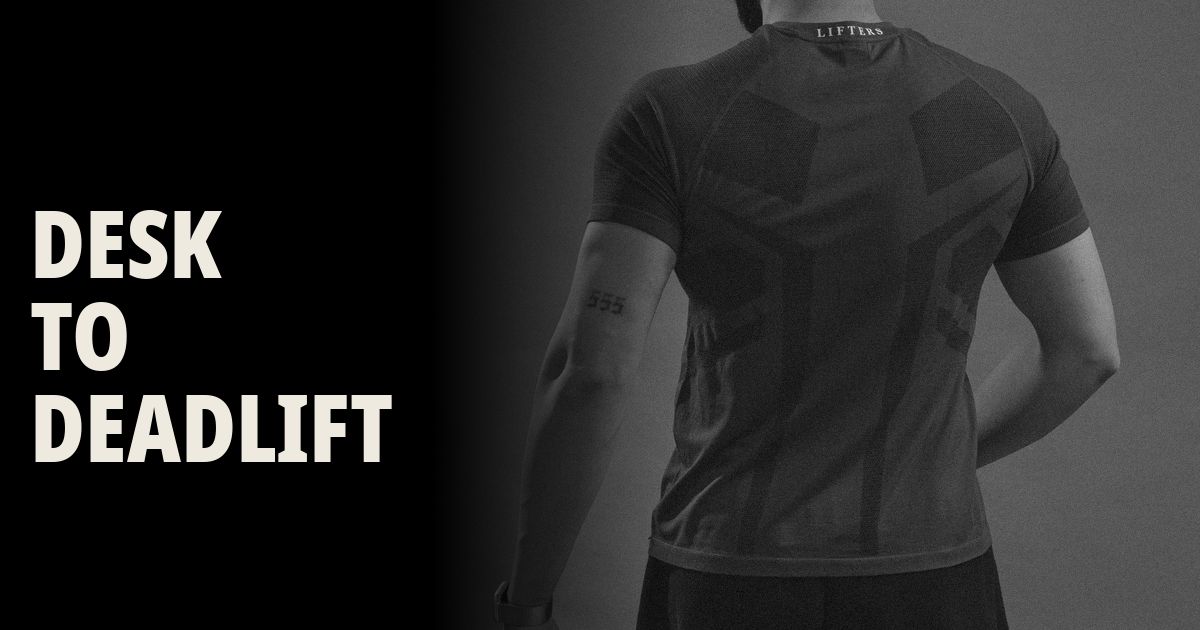
A compression t-shirt is a close-fitting garment engineered to apply steady, even pressure across your torso. It isn't just a tight t-shirt — the difference is in the construction. Regular tees are cut from flat knit jersey with a bit of stretch. A proper compression tee uses a high-elastane warp-knit fabric that stretches in multiple directions and, critically, snaps back . That recovery is the whole point. The fabric holds tension against your skin through a full session instead of sagging out by set four. Panelling matters as much as fabric. Well-built compression tees are cut in shaped panels that follow the lines of your chest, lats and shoulders, joined with flatlock seams that sit flush against skin rather than raised ridges that saw at your underarms during pressing movements.The Benefits — Ranked by How Well They Actually Hold Up
1. Sweat management (strongest benefit)
This is the one you'll feel from day one. Because the fabric sits directly against your skin with no air gap, it wicks moisture outward to the surface where it evaporates instead of pooling in cotton. In Indian training conditions this isn't a luxury. Between March and October, most gyms outside metro premium chains are running at humidity levels where a cotton tee is soaked through by your second exercise, then stays soaked — heavy, cold, chafing, and holding odour. A compression tee stays functionally dry. That alone justifies the category for most people.2. Reduced chafing and skin irritation
No loose fabric means no friction points. Anyone who has finished a long run or a high-rep session with raw nipples or an irritated underarm understands why this matters. Flatlock seams and a fixed fit eliminate the rubbing entirely.3. Proprioceptive feedback and muscle support
The even pressure gives your nervous system clearer positional feedback — you're more aware of where your shoulders, scapulae and spine are sitting through a movement. Lifters often report cleaner form cues under a compression tee, particularly on overhead work and rows. There's also genuine damping of soft-tissue oscillation during high-impact work like sprints, box jumps and plyometrics. Less bounce, less micro-strain.4. Recovery support (solid, but modest)
Compression garments worn after training have reasonable evidence behind them for reducing delayed-onset muscle soreness and perceived fatigue. The effect is real but moderate — it's the difference between a stiff next morning and a slightly less stiff one. Worth doing. Not magic.5. Confidence and fit
Not a performance claim, but let's be honest about it: a compression tee shows the work you've put in. For a lot of people that's a legitimate part of why they train in one, and there's nothing wrong with it.What compression t-shirts do not do
Two claims deserve pushback, because you'll see both repeated everywhere:- They don't prevent injury. No garment stabilises a joint the way tape, a brace or good programming does. Better proprioception is helpful. It's not injury insurance.
- They don't make you stronger or faster. The research on compression wear improving actual performance output — strength, power, endurance times — is inconsistent at best. What improves is how comfortable you are while training, and comfort compounds. That's the honest version.
Compression T-Shirt vs Regular Gym T-Shirt
| Compression Tee | Regular Cotton Tee | Loose Dri-Fit Tee | |
| Sweat handling | Wicks and dries fast | Absorbs and holds | Wicks, but air gaps leave damp patches |
| Chafing | Effectively none | High on long sessions | Moderate |
| Fit through a session | Holds shape | Stretches out, clings wet | Stays loose |
| Odour retention | Low with antibacterial finish | High | Medium |
| Best for | Lifting, HIIT, running, layering | Rest days, casual | Cardio in cool conditions |
| Weak point | Unforgiving if sized wrong | Everything in humidity | Flaps during dynamic work |
How to Size a Compression T-Shirt (The Part Everyone Gets Wrong)
The single most common mistake is buying compression wear a size up because a true fit feels unfamiliar. Do that and you've bought a slightly tight t-shirt — none of the fabric tension, none of the benefit. Get it right:- Go by chest measurement, not your usual t-shirt size. Measure around the widest part of your chest with a tape, arms relaxed, and use the size chart. Your regular tee size is irrelevant here.
- It should feel snug immediately, then disappear. Correct compression feels firm for the first two minutes and then you stop noticing it. If you're still aware of it at minute ten, it's too tight.
- Check the shoulder seam and sleeve hem. The seam should sit at the edge of your shoulder, not down your bicep. Sleeve hems shouldn't dig in or leave deep marks.
- Full range-of-motion test. Overhead press motion, a deep hinge, arms crossed in front. Nothing should pull at the shoulders or ride up at the waist.
- Red flags: restricted breathing, pins and needles, or marks that stay on your skin more than 20 minutes after removing it. Size up.
When to Wear It
During training: weights, HIIT, functional work, running, cycling, any sport with body contact. As a base layer: under a hoodie or oversized tee in winter, or under a jersey for sport. This is where compression tees earn their keep in North India from November through February. After training: a 45–60 minute window in your compression tee post-session is the easiest recovery habit you can build. Skip it for: long-haul travel days, sleeping, or any situation where you'll be sitting for hours — sustained pressure with no movement isn't doing anything useful for you.Care Instructions
Elastane is the component that fails first, and heat is what kills it.- Turn inside out before washing
- Machine wash cold, gentle cycle, with similar colours
- Mild detergent only — no bleach, no fabric softener (softener coats the fibres and destroys wicking)
- Never tumble dry, never iron
- Hang dry in shade, not direct sun
- Rinse in cold water immediately after use if you can't wash the same day — dried sweat degrades elastane
Frequently Asked Questions
Can I wear a compression t-shirt every day? Yes, during and shortly after training. Give your skin a break on rest days and wash it after every use. Do compression t-shirts help with posture? Indirectly. They increase your awareness of your torso position, which can help you self-correct. They don't hold you upright — that comes from strengthening your upper back. Is a compression t-shirt good for weight loss? No. It doesn't burn additional calories or cause targeted fat loss. Any immediate difference you see is fabric compression, not fat reduction. How long do they last? With correct care, 18–24 months of regular use. You'll know it's done when the fabric stops snapping back and the fit goes slack. Can I wear one under regular clothes? Yes — that's one of its best uses. As a base layer in winter it adds warmth with almost no bulk. Compression tee or a normal gym t-shirt for a beginner? Start with whichever you'll train in consistently. But if you train in Indian summer heat, a compression or performance tee will make the sessions meaningfully more bearable than cotton.Train in something built for it. Shop the Lifters compression range →
Drop Us a Query
Recent Post
-
October 26th, 2026
-
What to Wear for Home Workouts: Gym Clothes That Work in Your Living Room
October 23rd, 2026